The Rise of Wellness-Focused Real Estate in India
The definition of a good home has changed. Earlier, homebuyers mainly focused on location, budget, size, and basic amenities. But in 2026, buyers are asking a deeper question:
Will this home help me live better?
This shift is the reason wellness-focused real estate is rising quickly in India. Homebuyers are now looking for homes that support physical health, mental peace, cleaner air, better sleep, work-life balance, and everyday comfort.
According to the Day 9 blog plan, the key focus areas for this topic are air quality, open spaces, meditation zones, and wellness amenities.
1. Wellness is Becoming the New Luxury
Luxury real estate is no longer only about marble flooring, imported fittings, large clubhouses, and premium addresses. Today, true luxury is about quality of life.
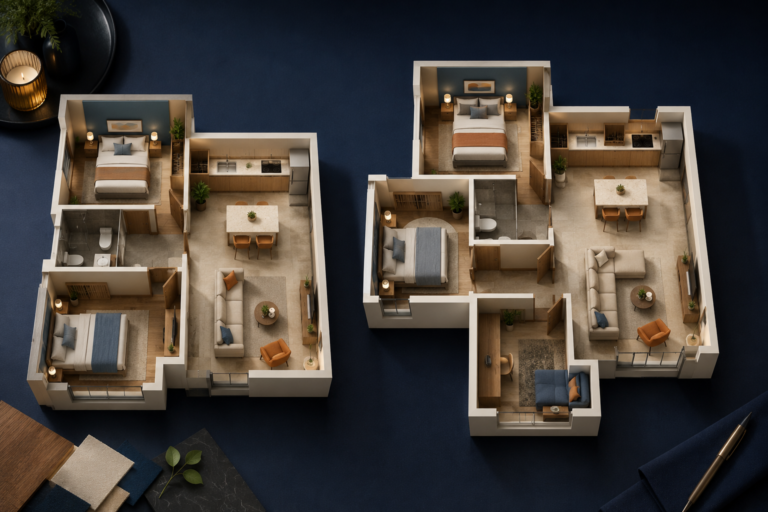
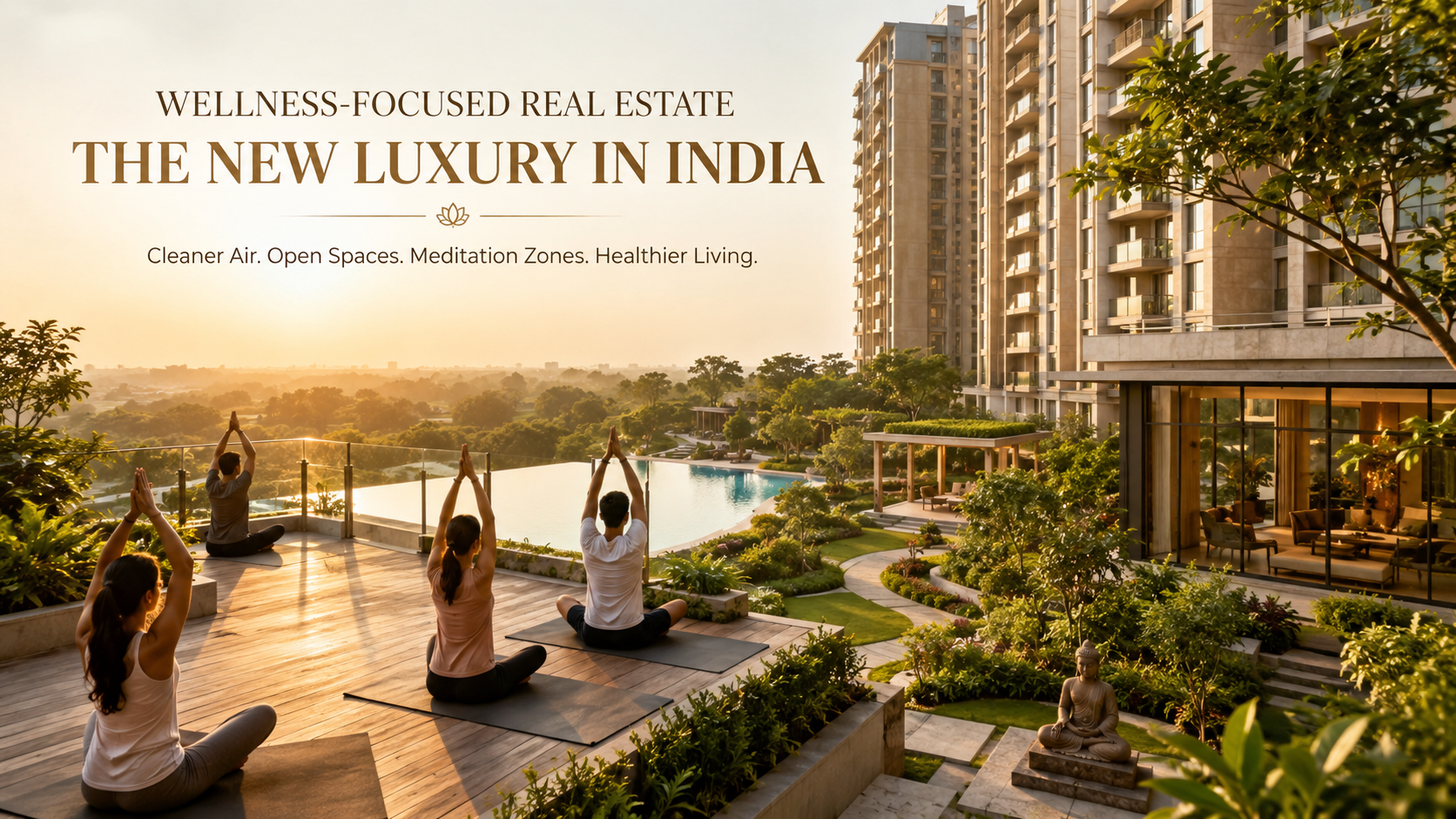
A wellness-focused home is designed to support healthier daily living. It may include better natural light, cross ventilation, green views, open spaces, walking tracks, meditation areas, yoga decks, air purification systems, and thoughtfully planned layouts.
Real estate brands in India are increasingly discussing wellness as a core buyer demand. Developers are adding community parks, rooftop gardens, meditation zones, walking trails, and wellness areas to help residents escape urban stress and live in healthier surroundings.
2. Air Quality Has Become a Serious Buying Factor
In major Indian cities, especially Delhi NCR, air quality has become one of the biggest lifestyle concerns. Buyers are now more aware of how indoor and outdoor environments affect everyday health and comfort.
This is why many homebuyers are looking for projects with:
Better ventilation
Green buffers
Air purification systems
Low-density planning
Indoor plants and landscaped areas
Large balconies
Open courtyards
Cleaner construction materials
Wellness-oriented homes in India are increasingly being designed with large windows, cross-ventilation, wider balconies, landscaped courtyards, natural lighting, and air-quality management as key selling points.
For NCR buyers, this is especially important. A home that supports cleaner indoor living can feel more valuable than a home that only looks luxurious.
3. Open Spaces are No Longer Optional
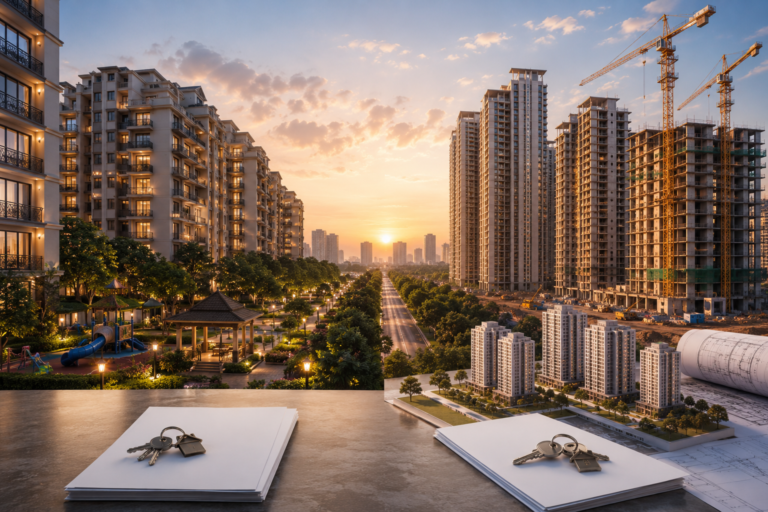
After 2025, families started valuing open space much more seriously. Buyers want homes where they can walk, relax, breathe, and spend time outdoors without leaving the community.
Open spaces now matter because they support:
Morning walks
Children’s play
Senior citizen comfort
Pet-friendly living
Community interaction
Stress reduction
Better natural airflow
Projects with landscaped gardens, central greens, rooftop gardens, open courtyards, and walking trails are becoming more attractive to families and premium buyers.
The demand for natural ventilation, sunlight, dedicated work-from-home areas, and open green spaces has remained strong even after the pandemic, as buyers continue to prefer homes that support better living.
4. Meditation Zones and Mental Wellness Spaces are Rising
Modern homebuyers are not only thinking about physical fitness. They are also thinking about mental wellness.
Busy work schedules, traffic, screen time, pollution, and city stress have made buyers look for calmer residential environments. This is why meditation zones, quiet gardens, yoga lawns, reading corners, wellness decks, and peaceful rooftop areas are becoming important features.
In premium housing, wellness is moving beyond the gym and swimming pool. Developers are now integrating holistic amenities like spas, meditation zones, wellness lounges, and restorative green spaces into luxury communities.
For luxury buyers, these features make a home feel more complete. They create a lifestyle where relaxation is built into daily living.
5. Wellness Amenities are Becoming More Advanced
Wellness amenities in 2026 are much more evolved than before. A basic gym is no longer enough for many luxury buyers.
Modern wellness-focused communities may offer:
Yoga decks
Meditation pavilions
Spa and sauna zones
Walking and jogging tracks
Organic gardens
Indoor wellness lounges
Outdoor fitness zones
Swimming pools
Sports courts
Senior citizen parks
Kids’ activity zones
Air quality monitoring
Water management systems
Biophilic design elements
Some developers are also going further with sustainability and environmental monitoring. A recent report noted that a Pune township is set to host India’s first private residential “environment lab,” where experts will monitor indicators such as air quality, dust levels, water efficiency, waste management, and livability.
This shows how wellness and sustainability are becoming more data-driven in Indian housing.
6. Wellness Homes Support Hybrid Lifestyles
The rise of hybrid work has also increased the need for wellness-focused homes. When people spend more time at home, the quality of the home environment matters more.
A wellness-focused home can support:
Focused work
Better sleep
Reduced stress
Healthier routines
Family time
Fitness habits
Mental calm
For professionals and families, this makes a big difference. A spacious, naturally lit, well-ventilated home with green views and quiet corners can improve everyday comfort.
This is one reason wellness real estate is becoming popular among working professionals, young families, NRIs, and senior buyers.
7. Why Wellness-Focused Real Estate Matters in Noida and NCR
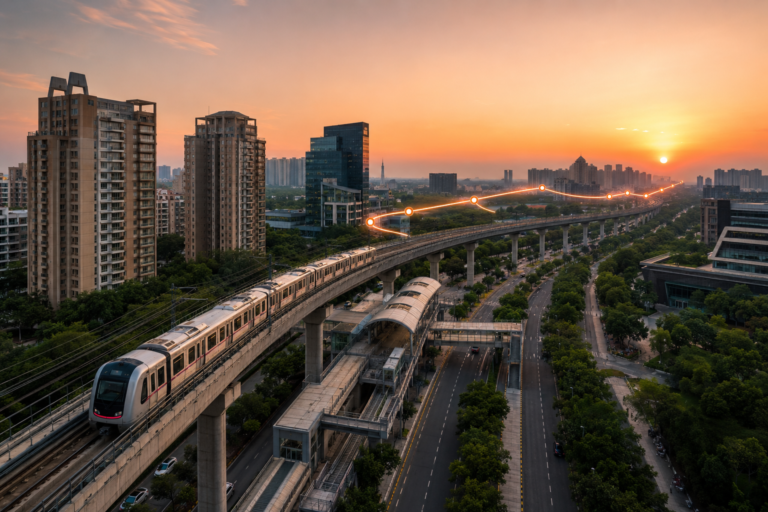
Noida and NCR are important markets for wellness-focused real estate because buyers here deal with high-density urban life, long commutes, air quality concerns, and busy work schedules.
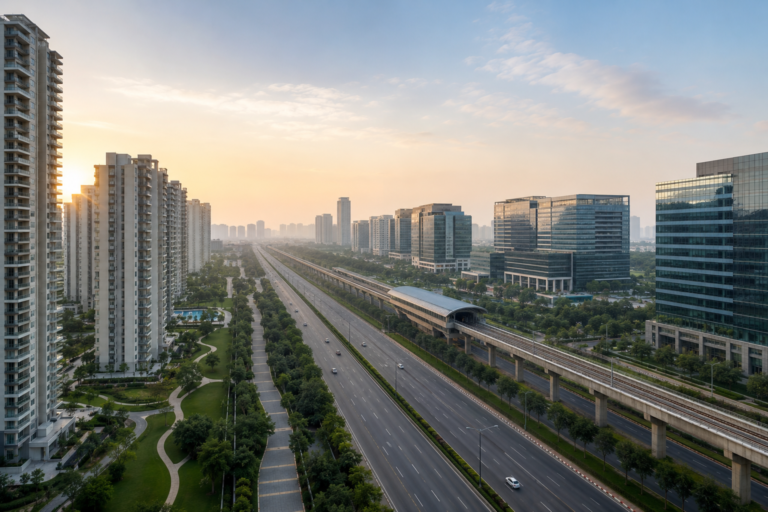
Locations like Sector 150, Noida Expressway, Greater Noida, and select premium townships are gaining attention because buyers want a better balance between connectivity and calmer living.
For example, Sector 150 is often discussed as a greener and more open residential pocket compared to many crowded urban areas. Such locations appeal to buyers who want premium living with more breathing space.
For Noida’s luxury market, wellness-focused homes can become a strong differentiator. Buyers are not only comparing price and size. They are comparing lifestyle quality.
8. Wellness-Focused Homes May Have Better Long-Term Appeal
Wellness features can also improve long-term property appeal.
A home with good air quality, open spaces, natural light, green surroundings, wellness amenities, and better community planning may attract stronger interest from families, premium tenants, and resale buyers.
However, wellness should be evaluated carefully. Buyers should not rely only on marketing claims. They should check whether the project actually delivers meaningful wellness value.
Before buying, check:
Actual green area
Ventilation and sunlight
Density of the project
Air quality systems
Maintenance quality
Open space planning
Clubhouse and wellness amenities
Walking tracks and senior-friendly areas
Water and waste management
Developer track record
RERA registration
Possession timeline
A project should not just say “wellness.” It should be designed for it.
Conclusion
Wellness-focused real estate is rising in India because homebuyers want more than beautiful interiors. They want homes that support healthier, calmer, and more balanced living.
Air quality, open spaces, meditation zones, green surroundings, and wellness amenities are now becoming serious buying factors. In cities like Noida and NCR, where urban stress and pollution are major concerns, wellness-focused homes are becoming even more relevant.
In 2026, the best homes will not only look premium. They will help people live better every day.
Disclaimer
This blog is for informational and educational purposes only. Wellness amenities, air quality systems, green spaces, project specifications, pricing, possession timelines, maintenance standards, and investment returns may vary depending on developer, location, approvals, and market conditions.
Readers should verify RERA registration, legal approvals, project specifications, wellness features, pricing, possession timelines, and suitability before making any property-related decision. This blog should not be considered legal, financial, health, or investment advice.